

Epicor ERP Software
Industrial Machinery
Maintain control over all parameters of your business processes with Epicor ERP for industrial machinery. Epicor Kinetic simplifies complex operations and optimizes performances along the supply chain.
Choose an ERP solution custom-built by an Epicor certified team to maximize your processes potential. EC Solutions is a trusted, certified Epicor partner and your strongest ally to boost your growth.


Benefits of an Epicor ERP for Industrial
Machinery Manufacturing
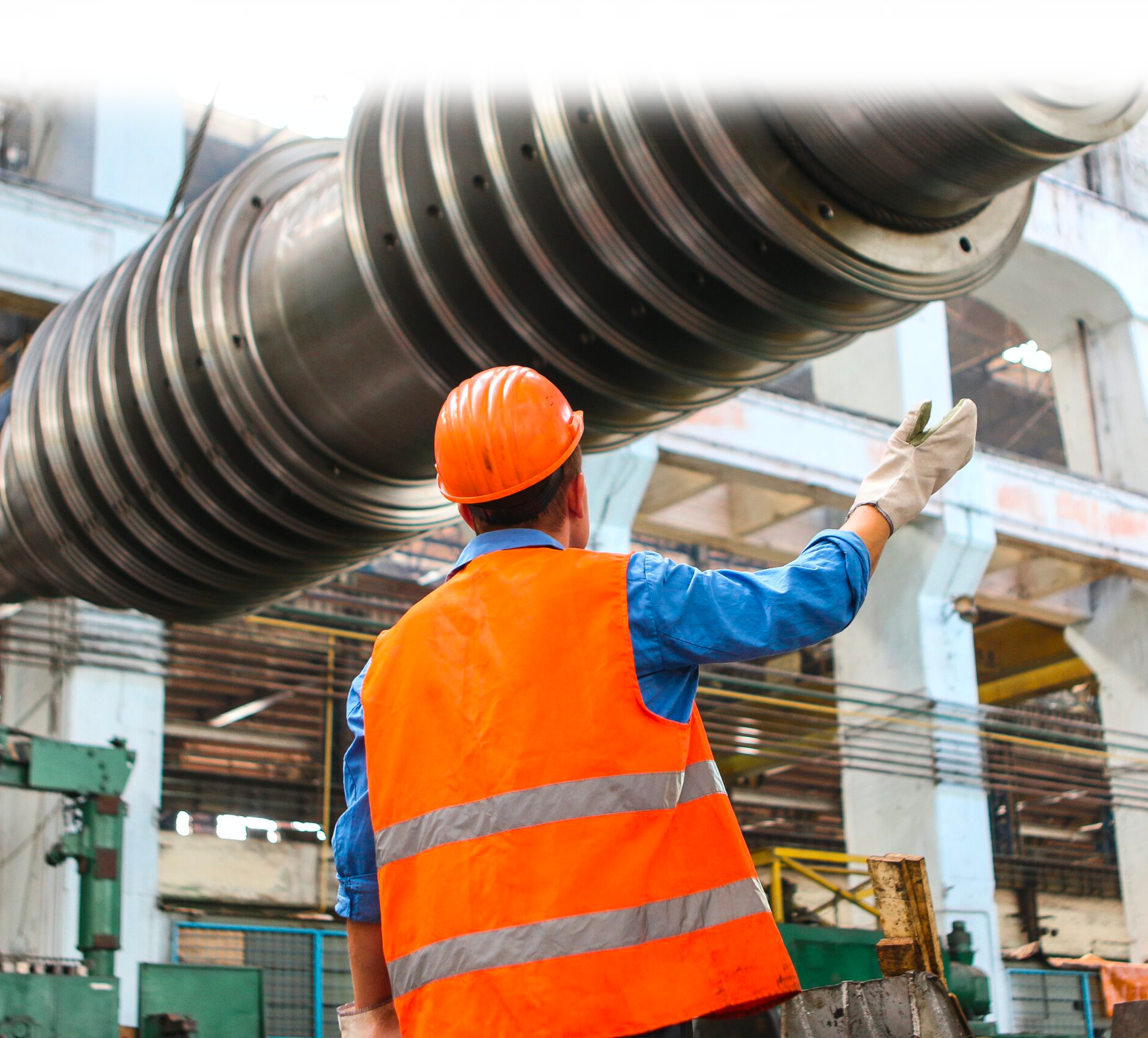
Thousands of companies worldwide manufacture the sophisticated machines used in agriculture, mining, construction, power generation, and oil and gas production. These advanced machines have complex engineering requirements.
The companies making these machines need ERP solutions to help them manage all aspects of their operations. This includes the management of various engineering requirements to ensure production efficiency. For this reason, Epicor Kinetic is the proven solution for industrial machinery manufacturers.
Technical innovation is essential from stock management to sales, passing by supply chain management and distribution. There are only benefits to upgrading your business strategy with a customized ERP.
Find out how to improve every contract or project with the right Epicor ERP system for your business.
Automate your Business Processes With Epicor ERP for Industrial Machinery
Our trusted Epicor consultants understand the challenges industrial machinery fabrication businesses face. From economic impacts to demand changes across your multi site and global operations.
As a certified Epicor vendor, EC Solutions offers a custom ERP deployment. We consider every aspect of your business to provide a robust quality management system. We believe implementing a personalized Epicor Kinetic ERP at the core of your business strategy is the best solution.
- Management, review and update complex engineering requirements with a suite of native features
- Support lean manufacturing and automate processes to reduce waste in the enterprise resulting in reduced labor and material costs
- Exceed customer expectations with a robust quality process
Furthermore, we offer a modular deployment, which makes the transition toward process automation much easier for your teams. Your management and production teams will be able to learn their new tools and develop them as your business grows.


Stand Out in Your Industry: Modernize Your Approach
EC Solutions supports you every step of the way on your technology journey. We’re here, listening, and dedicated to helping you get the most out of your processes. Combining our recognized expertise with Epicor Kinetic’s strong capabilities; the best duo for a sound ERP that will grow with you.
- Improve production management review with the ability to update your production plan as demand changes and across multiple international locations
- Better manage your supply chain with integrated features that give you real time access to information
- Satisfy customer requirements, control costs, and improve processes with a robust quality management system
Use in-app available information to make informed business decisions that will help you stay competitive in an ever-changing marketplace.
Maintain Control with Epicor ERP for Industrial Machinery
Ensuring control of all your business parameters is vital for your success. Epicor Kinetic is the Epicor ERP solution for industrial machinery manufacturers. It is the most recognized ERP software for manufacturers. EC Solutions 360° support will help you get the most out of this technology.
- Take advantage of an integrated product lifecycle management PLM to manage complex designs. Minimize the impacts of engineering changes
- Track detailed cost estimates throughout the contract or project to ensure better production efficiency and meet your objectives
Our professional ERP consultants are available and ready to guide you during your digital transition. Our priority is finding the optimization solutions that will bring the most value to your business processes.
Trust EC Solutions to Implement the Best
Epicor ERP for Industrial Machinery
Our Epicor ERP consultants possess in-depth knowledge of the industrial machinery manufacturing sector. We are dedicated to finding solutions that respect your business methods and accelerate the realization of your core objectives. That’s why we offer Epicor Kinetic ERP and unique customizations that simplify your management work at every level.
Discover Our Pack for the Construction and Agricultural Machinery Manufacturing Industry

EC Solutions offers a customized Epicor Kinetic Pack tailored specifically to the needs of the agricultural and construction machinery manufacturing industry. Benefit from our ready-to-use ERP tool to improve traceability and enhance time and efficiency.

See how EC Solutions helped Cadexair in their digital transformation
Success stories
EC Solutions understands the unique needs of your business and the ever-changing demands of your marketplace. That’s why we provide tools to reduce waste, control costs, facilitate purchasing and manage complex manufacturing.
Do not hesitate to ask us questions about Epicor ERP for industrial machinery or our implantation services. Our Epicor consultants are committed to finding solutions perfectly suited to your business reality and objectives.
You have a project?
Contact Our Experts
Our certified experts will be happy to discuss your objectives, answer your questions and advise you in the execution of your technology project. We favor a consultative approach to ensure that you have all the information you need to make the best decisions for your needs.
Address
3200, Highway Laval West
Laval (Quebec), H7T 2H6
Laval (Quebec), H7T 2H6
Phone
450-681-0123
Request a Call Back
If you’d like to talk to our consulting team, contact us via the form and we’ll get back to you shortly.